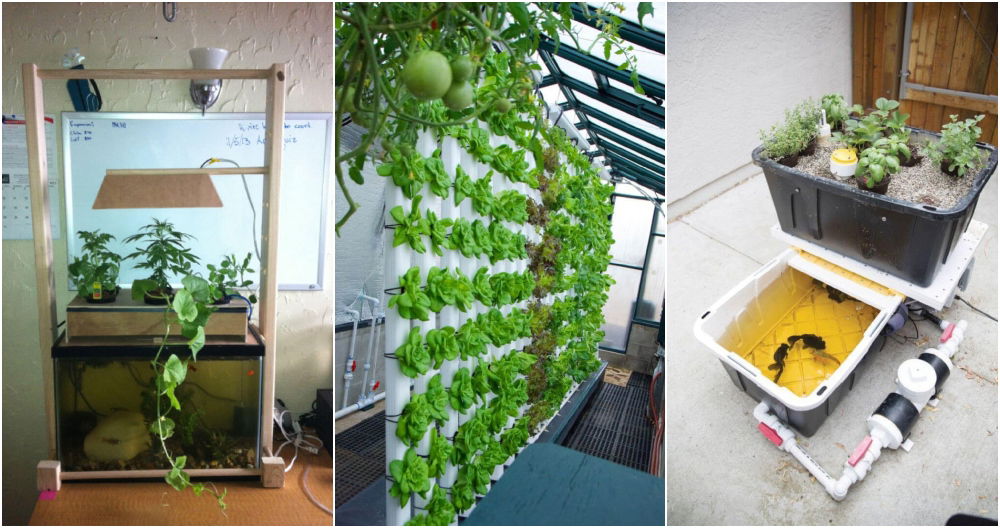
DIY Aquaponics for Apartments: Small System Solutions
Aquaponics, the harmonious marriage of aquaculture (raising fish) and hydroponics (growing plants without soil), is gaining popularity as a sustainable and space-efficient method of food production. For apartment dwellers, its potential is even more alluring, offering a way to grow fresh food in the confines of a limited living space.
This article delves into the realm of DIY aquaponics for apartments, focusing on small system solutions that are both practical and visually appealing. We'll explore the essential components, design considerations, and step-by-step instructions to help you embark on your own urban aquaponics journey.
Understanding the Basics of Aquaponics
Aquaponics is a closed-loop system that mimics the natural balance of ecosystems. Fish waste, rich in nutrients, is filtered through a biofilter where beneficial bacteria convert ammonia into nitrates. These nitrates are then absorbed by the plants, completing the cycle. This symbiotic relationship allows for a self-sustaining system that requires minimal water and fertilizer inputs.
Key Components of an Aquaponics System
A basic aquaponics system comprises the following essential components:
- Fish Tank: Houses the fish, providing them with a stable environment for growth and waste production.
- Biofilter: Contains a bed of media (like gravel, lava rock, or bio balls) where beneficial bacteria break down fish waste.
- Grow Bed: Where plants are grown, receiving nutrient-rich water from the biofilter.
- Pump: Circulates water from the fish tank to the grow bed and back, ensuring proper flow and oxygenation.
- Plants: Choose plants that thrive in a hydroponic environment, such as leafy greens, herbs, and some fruiting vegetables.
- Fish: Select a fish species that is compatible with the size of your system and your intended plant selection.
Designing a Small Apartment Aquaponics System
When designing a small aquaponics system for your apartment, consider these key aspects:
Space Constraints
The first priority is to determine the available space in your apartment. A compact system can fit on a countertop, shelf, or even a small table. For larger systems, a dedicated corner of your apartment may be required.
Fish Tank Choice
For apartment systems, smaller fish tanks (10-20 gallons) are typically recommended. Glass tanks are preferred for their transparency, allowing you to observe both fish and plants.
Grow Bed Options
You have several options for grow beds:
- Vertical Grow Beds: Ideal for limited floor space, these utilize stacked trays or columns for plant growth.
- Horizontal Grow Beds: Suitable for larger systems, these provide more surface area for planting.
- DIY Grow Beds: You can create your own grow beds using recycled materials like plastic tubs or even repurposed furniture.
Material Selection
Choose non-toxic materials for your system, such as:
- Food-grade plastic: For fish tanks and grow beds.
- PVC piping: For plumbing and water circulation.
- Natural materials: For biofilters, such as gravel, lava rock, or bio balls.
DIY Aquaponics System Construction
Once you have the essential components and a design plan, you can assemble your apartment aquaponics system. This is a step-by-step guide:
Step 1: Set up the Fish Tank
- Choose a location: Select a spot with sufficient lighting for the plants and easy access for maintenance.
- Clean the tank: Thoroughly clean the fish tank with a non-toxic cleaner and rinse it thoroughly.
- Add substrate: Add a layer of gravel or other suitable substrate to the bottom of the tank to provide a natural environment for your fish.
- Install the pump: Position the pump in the fish tank, ensuring it’s submerged and doesn’t obstruct water flow.
Step 2: Build the Biofilter
- Choose a container: A plastic tub or bucket can be used for the biofilter. Make sure it has sufficient drainage holes.
- Add filter media: Fill the container with a mixture of gravel, lava rock, or bio balls to provide a surface area for beneficial bacteria to colonize.
- Connect to the fish tank: Connect the biofilter to the fish tank using PVC piping or tubing. Ensure the water flows from the tank to the biofilter.
Step 3: Assemble the Grow Bed
- Prepare the grow bed: Choose a suitable container and drill drainage holes in the bottom. Line it with a non-toxic fabric to prevent clogging.
- Fill with grow media: Add a layer of clay pebbles or other suitable grow media to the grow bed. This provides support for the plant roots.
- Connect to the biofilter: Connect the grow bed to the biofilter using PVC piping or tubing. Ensure water flows from the biofilter to the grow bed and then back to the fish tank.
Step 4: Planting and Fish Introduction
- Plant selection: Choose plants that thrive in hydroponic conditions, such as lettuce, spinach, herbs, and some fruiting vegetables.
- Planting procedure: Plant your chosen vegetables in the grow bed, ensuring the roots have access to the nutrient-rich water.
- Fish selection: Opt for hardy fish species that are compatible with the size of your system. Goldfish, koi, or tilapia are popular choices.
- Fish introduction: Introduce the fish to the tank slowly, acclimating them to the water temperature and environment.
Maintenance and Care
Once your aquaponics system is up and running, regular maintenance is crucial for its long-term success:
Water Quality Monitoring
Monitor the water parameters in both the fish tank and the grow bed. Ensure the water is properly oxygenated and that the pH level is within the optimal range for your chosen fish and plants. Regular water changes may be required.
Fish Feeding
Feed your fish a high-quality diet according to their needs. Avoid overfeeding, as excess food can contribute to water quality issues.
Plant Monitoring
Observe your plants regularly for signs of nutrient deficiencies or pests. Adjust the nutrient levels in the grow bed as needed and address any pest problems promptly.
Cleaning and Maintenance
Clean the fish tank, grow bed, and biofilter periodically to prevent the buildup of debris and maintain proper water flow.
Troubleshooting
Like any system, aquaponics can encounter challenges. Here are some common issues and their solutions:
Algae Growth
Excessive algae growth can indicate nutrient imbalances or excessive light exposure. Adjust water parameters, reduce light exposure, and consider adding algae-eating fish to the tank.
Plant Stunted Growth
Slow plant growth may be due to nutrient deficiencies, improper lighting, or root problems. Check water parameters, adjust nutrient levels, and ensure adequate light exposure.
Fish Health Issues
Fish health can be affected by water quality, diet, or disease. Monitor your fish closely, maintain proper water parameters, and seek veterinary advice if necessary.
Benefits of Apartment Aquaponics
Aquaponics offers numerous benefits for apartment dwellers:
- Fresh, Organic Food: Grow your own pesticide-free fruits, vegetables, and herbs.
- Space Efficiency: Compact systems fit seamlessly into small spaces.
- Sustainability: Reduced water and fertilizer usage promotes eco-friendly practices.
- Aesthetic Appeal: Aquaponics systems add a touch of nature and tranquility to your apartment.
- Educational Experience: Learn about sustainable farming and the interconnectedness of nature.
Conclusion
DIY aquaponics for apartments provides a rewarding and sustainable way to grow fresh food, even in limited spaces. With careful planning, proper construction, and regular maintenance, you can create a thriving aquaponics system that brings the benefits of nature right into your home. Embrace the challenge, enjoy the process, and savor the delicious fruits (and vegetables!) of your labor.
