An Eco-Friendly Guide to Starting a Home Aquaponics System
Aquaponics, a sustainable and eco-friendly method of food production, combines the principles of aquaculture (raising fish) and hydroponics (growing plants without soil). This symbiotic system offers a number of benefits over traditional agriculture, including reduced water usage, minimized waste, and the potential for increased yields. This guide provides a comprehensive overview of setting up a home aquaponics system, emphasizing eco-friendly practices and highlighting the benefits of this innovative approach to food production.
Understanding the Principles of Aquaponics
The core principle of aquaponics lies in the symbiotic relationship between fish and plants. Fish waste, rich in nutrients, is broken down by beneficial bacteria in a biofilter. This filtered water, now nutrient-rich, is then used to nourish the plants in a hydroponic system. Plants, in turn, remove excess nutrients from the water, creating a closed-loop system where waste is minimized and resources are used efficiently.
Key Components of an Aquaponics System
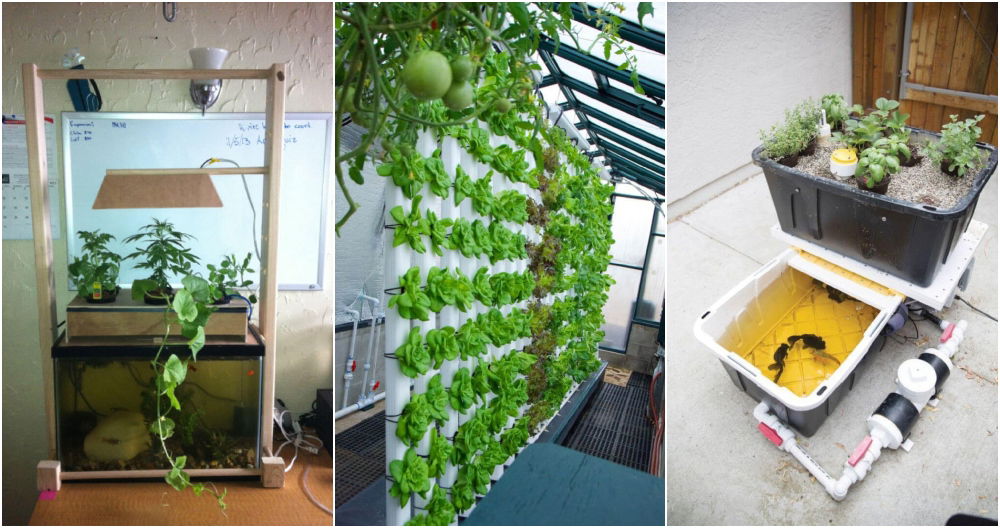
A typical aquaponics system consists of the following components:
- Fish Tank: The home for the fish. This tank serves as the source of nutrient-rich water.
- Biofilter: The biological heart of the system. This filter houses beneficial bacteria that break down fish waste, converting ammonia into nitrates usable by plants.
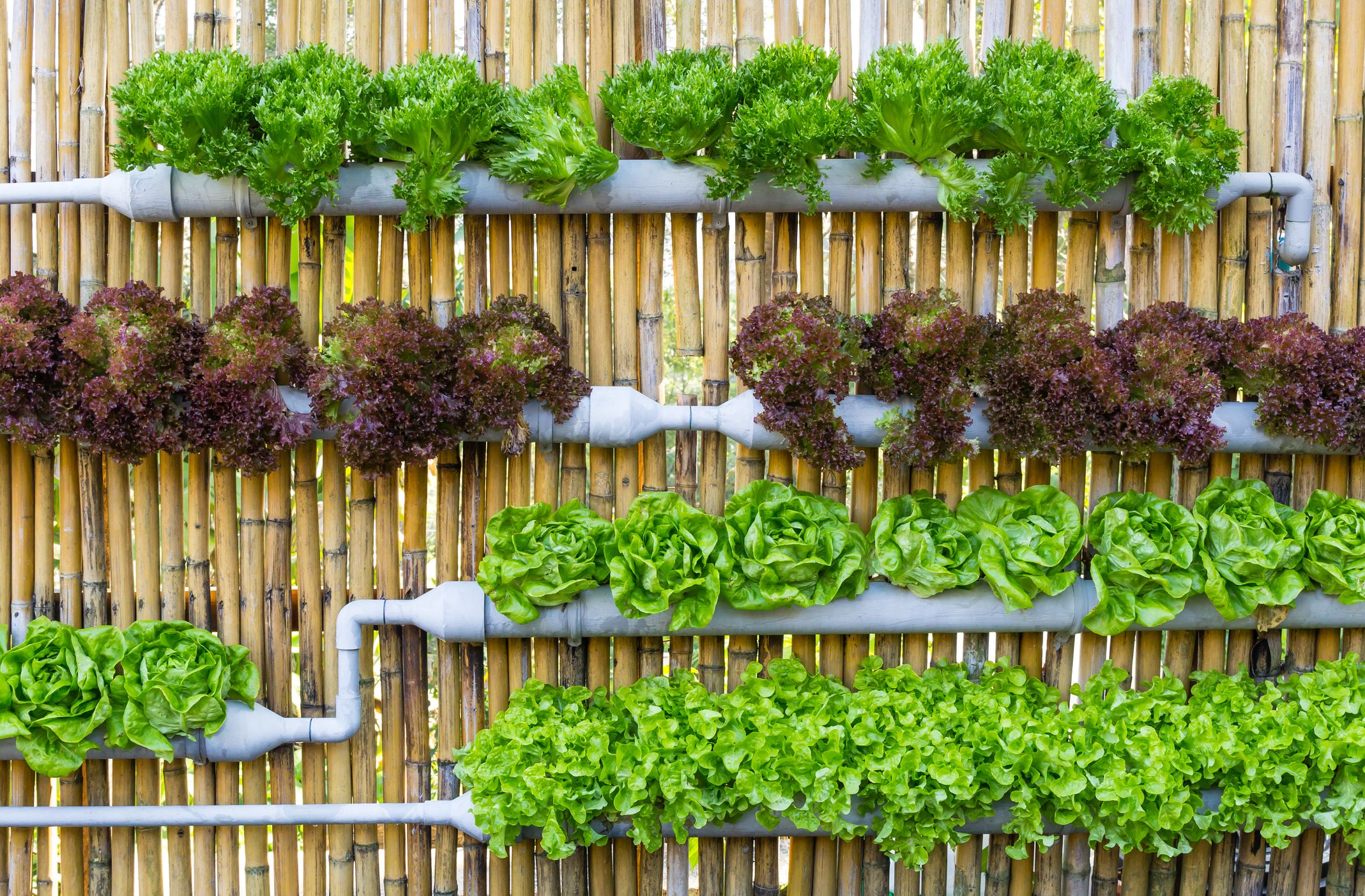
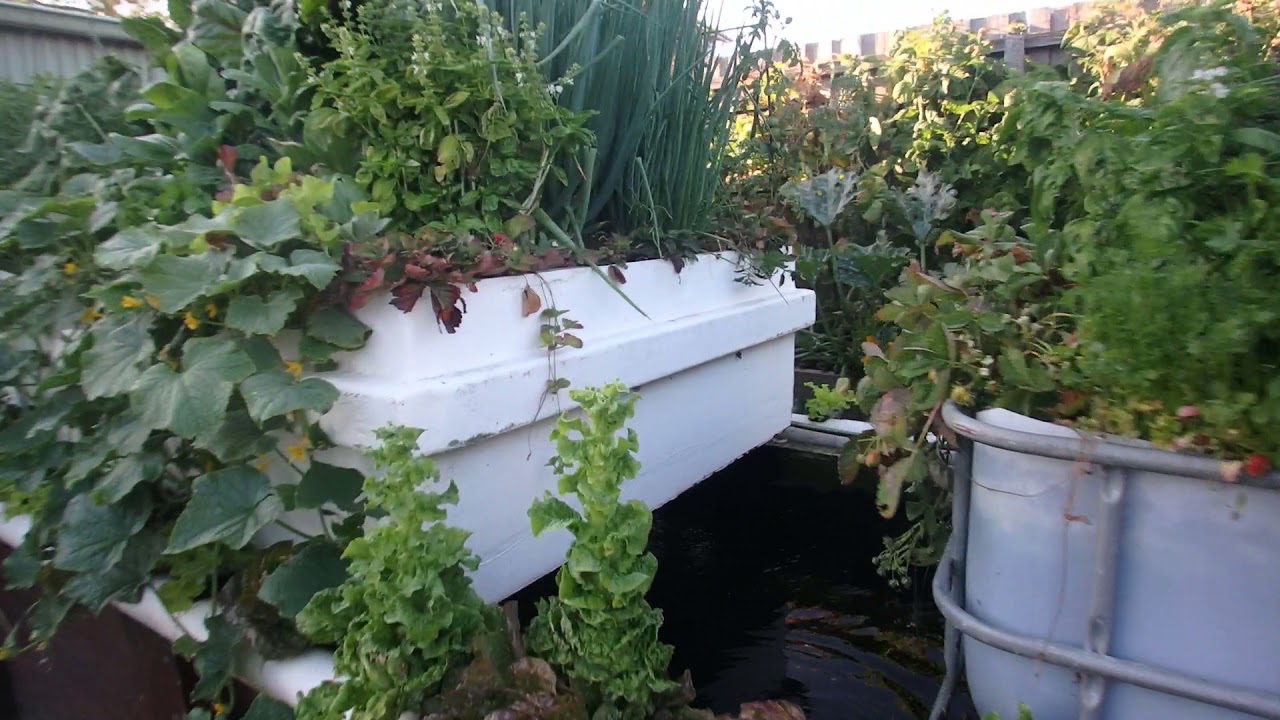
- Growing Beds: Where the plants are grown. These beds can be constructed from various materials, including plastic, wood, or concrete, and utilize a media like expanded clay aggregates (ECA) or gravel for plant root support.
- Pump: Circulates the nutrient-rich water from the fish tank through the biofilter and into the growing beds.
Designing Your Home Aquaponics System
Designing a home aquaponics system is a process that requires careful planning and consideration. Here are some key factors to consider:
1. Space and Location
The size and location of your system are crucial. Consider available space, indoor or outdoor placement, and potential light exposure for plant growth. A well-lit space is essential for plant photosynthesis.
2. System Size
Start small and gradually expand. A beginner system could consist of a small fish tank (20-30 gallons) and a few grow beds. As you gain experience, you can scale up the system to meet your needs.
3. Fish Selection
Choose hardy and compatible fish species suitable for your system size and climate. Popular choices include tilapia, catfish, or goldfish. Research specific species for their nutrient output and water quality requirements.
4. Plant Selection
Select plants that thrive in hydroponic environments and have different nutrient needs to create a balanced system. Popular options include leafy greens, herbs, and vegetables. Research the nutrient requirements of each plant to ensure compatibility with your fish selection.
Building Your Aquaponics System
Once you have a design in place, the construction phase begins. Here's a step-by-step guide to building a basic aquaponics system:
1. Setting Up the Fish Tank
Choose a sturdy, leak-proof tank made of glass or plastic. A 20-gallon tank is a good starting point. Install an air pump and an appropriate filter to maintain water quality. Choose a filter that effectively removes waste and provides sufficient aeration.
2. Constructing the Biofilter
The biofilter is crucial for converting fish waste into usable nutrients. A simple biofilter can be made using a container filled with porous material, such as gravel, lava rock, or ceramic rings. This material provides a surface area for the growth of beneficial bacteria.
3. Setting Up the Growing Beds
Grow beds can be constructed from various materials, including plastic totes, wooden planters, or even repurposed containers. Ensure the beds are watertight. Fill the beds with a growing medium, such as expanded clay aggregates (ECA), gravel, or coconut coir. These materials support plant roots while allowing water to flow freely.
4. Connecting the Components
Connect the fish tank, biofilter, and grow beds using a pump and tubing. The pump circulates the water from the fish tank through the biofilter and into the grow beds. Ensure the tubing is properly sealed to prevent leaks.
Getting Your Aquaponics System Started
With your system assembled, the next step is to introduce the fish and plants and begin the cycle. Here are some tips for starting your system:
1. Cycling the System
Before introducing fish, the system must be "cycled." This process allows beneficial bacteria to establish themselves in the biofilter, which is crucial for breaking down fish waste. Add a small amount of fish food to the system for the bacteria to feed on and begin cycling.
2. Introducing Fish
Once the system is cycled, gradually add your chosen fish species. Start with a small number of fish and monitor their health and water quality closely. Avoid overstocking the tank.
3. Planting Your Vegetables
Once your fish are settled, you can start planting. Choose plants suitable for your system size and light conditions. Research the optimal spacing and nutrient requirements for your chosen vegetables. Place the plants in the grow beds and ensure they receive sufficient light for photosynthesis.
Maintaining Your Aquaponics System
Maintaining your system is crucial for optimal performance. This includes:
1. Regular Water Testing
Monitor the water parameters, including pH, ammonia, nitrite, and nitrate levels. Use a water testing kit to ensure optimal conditions for your fish and plants. Adjust water parameters as needed, using natural methods like adding limestone to raise pH or utilizing an appropriate dechlorinator if tap water is used.
2. Feeding the Fish
Feed your fish a high-quality, balanced diet. Avoid overfeeding, as excess food can contribute to water quality issues. Monitor fish health and adjust feeding accordingly.
3. Harvesting and Replenishing
Harvest your vegetables when they are ready. Replenish the system with new plants as needed to ensure continuous production. Consider starting new plants in a separate area or utilizing a seedling tray to acclimate them to the nutrient-rich water before transferring them to the grow beds.
Benefits of a Home Aquaponics System
Aquaponics offers a number of advantages for home gardeners and environmentally conscious consumers:
1. Sustainable Food Production
Aquaponics promotes sustainable food production by reducing water usage, minimizing waste, and relying on natural processes. This system conserves water and resources, minimizing the environmental impact of food production.
2. Reduced Water Consumption
Aquaponics systems use significantly less water than traditional agriculture. The water in the system is constantly recirculated, reducing water loss through evaporation and runoff. This is especially beneficial in areas with water scarcity.
3. Enhanced Nutrient Utilization
The closed-loop system allows for efficient nutrient utilization. Fish waste is recycled back to the plants, eliminating the need for synthetic fertilizers. This natural approach reduces the risk of nutrient runoff and pollution.
4. Fresh and Healthy Produce
Aquaponics systems produce fresh, healthy, and nutrient-rich produce. Without the use of pesticides or herbicides, plants grown in aquaponics systems are free from chemical residues, ensuring a safe and healthy food source.
Eco-Friendly Practices in Aquaponics
Embracing eco-friendly practices is crucial for maximizing the sustainability of your aquaponics system. Here are some tips:
1. Water Conservation
Minimize water loss through evaporation by covering the fish tank or grow beds. Use water-efficient irrigation systems, such as drip irrigation, to deliver water directly to plant roots.
2. Natural Pest Control
Use natural pest control methods, such as companion planting or introducing beneficial insects, to reduce the need for chemical pesticides.
3. Energy Efficiency
Choose energy-efficient pumps and lighting systems. Use solar power to further reduce your carbon footprint.
4. Waste Reduction
Reduce waste by composting food scraps and using recycled materials for system construction. Utilize natural fertilizers, such as compost or worm castings, to enhance plant growth.
Conclusion
Starting a home aquaponics system is a rewarding experience that allows you to grow your own food sustainably and contribute to a greener future. By understanding the principles, planning your design, and following eco-friendly practices, you can cultivate a thriving aquaponics system that provides fresh, healthy produce while minimizing your environmental impact. As you delve into the world of aquaponics, remember that it is a journey of learning, experimentation, and innovation. With dedication and care, you can create a sustainable and fulfilling food production system right in your own home.
 0
comments