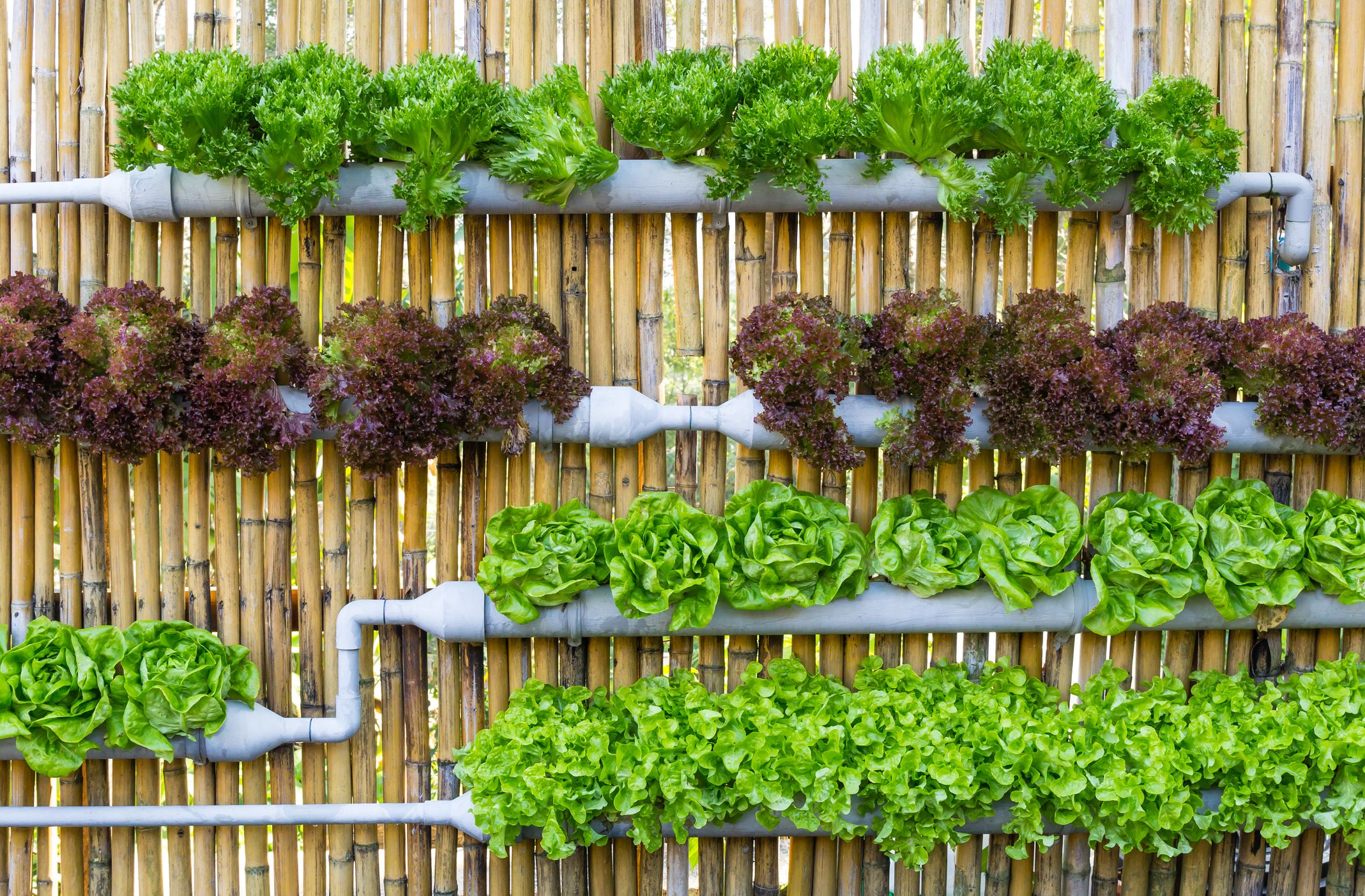
Building a DIY Aquaponic Garden for Sustainable Produce at Home
Tired of supermarket produce and yearning for a more sustainable way to grow your own food? Consider building a DIY aquaponic garden! This innovative system combines aquaculture (raising fish) with hydroponics (growing plants without soil), creating a self-regulating ecosystem that's both efficient and rewarding. This guide will walk you through the process, empowering you to create a thriving aquaponic system in your own home, providing fresh, healthy food year-round, and significantly reducing your environmental footprint.
Planning Your Aquaponic System
Before diving into construction, careful planning is crucial. First, determine the size of your system. A smaller system, suitable for a balcony or small space, might consist of a few plastic bins and a small fish tank. Larger systems, ideal for backyards, can incorporate larger tanks and more extensive planting beds. Consider the types of fish and plants you want to grow. Fast-growing, hardy fish like tilapia or goldfish are excellent beginners' choices. Similarly, leafy greens like lettuce, spinach, and herbs thrive in aquaponic systems. Research the specific needs of your chosen species regarding water temperature, pH levels, and nutrient requirements to ensure their health and productivity. Finally, choose a location with sufficient sunlightâ€"at least six hours daily for most plantsâ€"and access to a water source.
Gathering Your Materials
Constructing your aquaponic system requires a few key components. You'll need a fish tank, preferably made of a non-toxic material like food-grade plastic or glass. The tank size dictates the number of fish you can keep. Next, you need a grow bed. This can be anything from a repurposed plastic storage container to a custom-built wooden frame lined with a waterproof membrane. Consider using gravel or clay pebbles as a growing medium for your plants; these provide excellent aeration and root support. A submersible pump is essential for circulating the water from the fish tank to the grow bed and back again. Air pumps and air stones increase oxygen levels in the fish tank, promoting fish health. Finally, you'll need tubing to connect your components, ideally food-grade PVC tubing, and a reliable water testing kit to monitor water quality.
Essential Equipment Checklist:
- Fish tank (appropriate size)
- Grow bed (material of your choice)
- Submersible pump
- Air pump and air stones
- Tubing (food-grade PVC)
- Growing medium (gravel or clay pebbles)
- Water testing kit (pH, ammonia, nitrite, nitrate)
- Fish and plants (choose species carefully)
Building and Setting Up Your System
Begin by assembling your grow bed. If you're using a plastic container, ensure it's thoroughly cleaned and free of any residue. If building a wooden frame, waterproof it completely to prevent leakage. Fill the grow bed with your chosen growing medium, ensuring proper drainage. Position the fish tank below the grow bed. Connect the submersible pump to the fish tank and run tubing to the grow bed. Allow the water to circulate. Next, introduce your fish to the tank, making sure the water parameters are suitable. Once the system stabilizes (typically taking a few weeks), add your seedlings to the grow bed. Regularly monitor water parameters, ensuring appropriate pH levels, oxygen levels, and nutrient balance using your testing kit. Remember to adjust the system as needed based on the growth of your plants and fish.
Maintaining Your Aquaponic Garden
Maintaining your aquaponic garden involves consistent monitoring and adjustments. Regularly test water quality and make necessary adjustments to pH levels. Regularly clean your grow bed to remove any decaying plant matter. Feed your fish appropriately, avoiding overfeeding, which can lead to water quality issues. Harvest your produce regularly to encourage continued growth. Observe your plants and fish carefully for any signs of disease or stress. Regular maintenance ensures a healthy and productive aquaponic system for years to come.
Building a DIY aquaponic garden is a rewarding endeavor that combines sustainability with delicious, homegrown produce. With careful planning, diligent construction, and consistent maintenance, you can enjoy fresh vegetables and healthy fish year-round, all while minimizing your environmental impact. Embrace the challenge and reap the delicious rewards!
