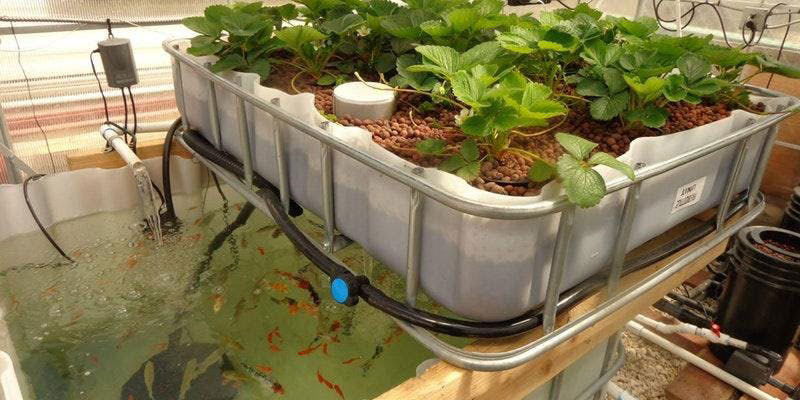
Designing a Small, Sustainable Aquaponic System for Your Home
The integration of aquaculture (raising aquatic animals) and hydroponics (growing plants without soil) in a symbiotic relationship forms the basis of aquaponics. This innovative approach offers a sustainable and efficient method for producing food, particularly appealing for home-based applications. A small-scale aquaponic system can provide fresh, healthy produce and fish while minimizing environmental impact and resource consumption. This article provides a comprehensive guide to designing and implementing a successful, small, sustainable aquaponic system for your home.
I. System Design Considerations
Before embarking on the construction, careful planning and consideration of several critical factors are essential to ensure the system's success. These factors include system size, fish species selection, plant choices, and the overall system design.
A. System Size and Scale
The size of your aquaponic system should be dictated by your available space, the desired yield, and your maintenance capabilities. Starting small is highly recommended, especially for beginners. A system measuring approximately 2-4 feet in length and 1-2 feet in width and height is an ideal starting point. This size allows for manageable maintenance and a reasonable harvest, providing a valuable learning experience before scaling up. Larger systems require more significant initial investment and a greater time commitment for upkeep.
B. Fish Species Selection
The choice of fish species significantly influences the system's success. Consider species that are:
- Hardy and tolerant of fluctuating water parameters.
- Relatively small in size to avoid overcrowding.
- Compatible with the chosen plants.
- Suitable for consumption or otherwise appropriate for your goals.
Popular choices for beginner aquaponic systems include tilapia, goldfish, and certain types of catfish. Research the specific needs and growth characteristics of your chosen species to ensure compatibility with your chosen system parameters.
C. Plant Selection
Selecting appropriate plant species is crucial for a balanced system. Consider plants that:
- Are relatively fast-growing.
- Have a high tolerance for fluctuating nutrient levels.
- Are suitable for hydroponic growth.
- Are compatible with the chosen fish species (avoiding plants toxic to fish).
Leafy greens like lettuce, spinach, and basil are excellent choices for beginners. Herbs such as mint and chives also thrive in aquaponic systems. Research the nutrient requirements of chosen plants to ensure they align with the nutrient profile produced by the fish waste.
D. System Design: Media Bed vs. Deep Water Culture (DWC)
There are two primary methods for designing the growing component of an aquaponic system: media beds and deep water culture (DWC). Media beds utilize an inert growing medium, such as gravel or clay pebbles, to support plant roots while providing a large surface area for beneficial bacteria colonization. DWC systems, on the other hand, suspend plant roots directly in a nutrient-rich water solution.
Media bed systems are generally considered more forgiving for beginners due to their greater resilience to fluctuations in water parameters. They also require less frequent maintenance and provide a more natural environment for plant growth. DWC systems, while potentially more productive, require more precise monitoring and maintenance, making them better suited for experienced aquaponic enthusiasts.
II. Construction and Setup
Once the design is finalized, constructing the system involves assembling the various components: fish tank, grow bed, pump, and plumbing.
A. Choosing the Right Materials
Select food-safe and non-toxic materials for all components. Food-grade plastic containers are a common and cost-effective choice for both the fish tank and grow bed. Ensure that the chosen materials are durable and resistant to cracking or leaking. The pump should be appropriately sized for the system volume and capable of providing adequate water circulation. Plumbing should be constructed from food-grade PVC piping.
B. Assembling the System
The specific assembly process depends on the chosen system design. For a media bed system, the grow bed is typically positioned above the fish tank. A pump draws water from the fish tank and circulates it through the grow bed, where it is filtered by the growing medium and plant roots before returning to the fish tank. In a DWC system, the plant roots hang directly into the water-filled growing container, which is similarly connected to the fish tank via a pump.
C. Establishing the Nitrogen Cycle
Before introducing fish and plants, it's crucial to establish a healthy nitrogen cycle. This process involves the growth of beneficial bacteria that convert fish waste (ammonia) into less toxic forms (nitrite and nitrate), which are then utilized by the plants as nutrients. This process typically takes several weeks and requires regular monitoring of water parameters (ammonia, nitrite, and nitrate levels). Using a test kit to monitor water chemistry is critical during this phase.
III. System Maintenance and Monitoring
Maintaining a healthy and productive aquaponic system requires regular monitoring and maintenance. This includes regular water testing, cleaning, and system adjustments.
A. Water Testing
Regular water testing is essential to monitor water quality. Parameters to monitor include ammonia, nitrite, nitrate, pH, and temperature. Maintaining optimal water quality is crucial for the health of both fish and plants. Deviations from ideal parameters require immediate corrective action.
B. Cleaning and Maintenance
Regular cleaning is necessary to prevent the buildup of debris and algae. This may involve removing accumulated solids from the fish tank and grow bed, as well as cleaning the pump and filters. The frequency of cleaning depends on the system size and the number of fish and plants.
C. System Adjustments
Based on monitoring results, adjustments to the system may be necessary. These adjustments may include modifying the pump flow rate, adjusting the nutrient levels, or adding or removing plants or fish. Regular observation and adjustments are key to maintaining a balanced and productive system.
IV. Troubleshooting and Problem Solving
Even with careful planning and maintenance, problems can arise. Understanding common issues and their solutions is vital for the successful operation of an aquaponic system. Common problems include:
- High ammonia levels: This indicates an imbalance in the nitrogen cycle, requiring immediate action to reduce fish waste or boost beneficial bacteria.
- Low pH: This can affect nutrient uptake by plants and fish health. Adjusting the pH through the addition of buffers may be necessary.
- Algae blooms: These can reduce light penetration to plants and disrupt the system balance. Regular cleaning and limiting light exposure can help mitigate this issue.
- Plant nutrient deficiencies: This can manifest as stunted growth or discoloration. Adjusting nutrient levels or adding supplemental nutrients may be required.
In conclusion, designing and maintaining a small, sustainable aquaponic system at home requires careful planning, diligent monitoring, and a willingness to learn and adapt. By following these guidelines and regularly addressing any arising issues, you can enjoy a rewarding and sustainable food production system while reducing your environmental impact.
